Why Swimming Is Great Exercise For Seniors
Staying active becomes increasingly important as we age, yet many traditional forms of exercise can feel demanding on joints, muscles and balance. Walking long distances, lifting weights or high-impact fitness classes are not always comfortable for older adults. This is where swimming stands out. For seniors wondering, is swimming good exercise, the answer lies in its unique ability to support strength, mobility and overall wellbeing without placing strain on the body.
Water provides natural resistance while also supporting body weight. This combination makes swimming one of the safest and most adaptable forms of movement available. Whether someone is returning to exercise after years away or maintaining an active lifestyle into later life, swimming offers flexibility that suits a wide range of abilities.
A Low-Impact Way to Stay Active
One of the biggest advantages of swimming is that it is low-impact. When immersed in water, the body experiences buoyancy, which reduces pressure on joints and weight-bearing structures. For seniors managing arthritis, joint stiffness or general age-related wear and tear, this can make movement more comfortable.
Unlike land-based exercises that can jar the knees, hips or lower back, swimming allows smooth, supported movement. The water cushions each motion while still allowing muscles to engage.
Key benefits of low-impact swimming include:
- Reduced joint stress compared to running or aerobics
- Safer movement for those with balance concerns
- Gentle muscle engagement without sudden impact
- Improved range of motion through fluid movement
- Lower risk of exercise-related strain
For older adults who may have avoided exercise due to discomfort, swimming often feels accessible and manageable.
Supporting Heart Health and Circulation
Cardiovascular health remains a priority at every stage of life. Swimming provides an effective way to raise the heart rate safely. Regular sessions can help support circulation and endurance while remaining gentle on the body.
Because swimming uses multiple muscle groups at once, it encourages consistent breathing patterns and steady aerobic conditioning. Even light lap swimming or water-based movement can contribute to improved stamina over time.
For seniors asking, is swimming good exercise for the heart, it is widely recognised as a beneficial aerobic activity when performed at an appropriate intensity. As with any exercise program, individuals with medical conditions should seek personalised advice from their healthcare provider before beginning.
Improving Balance and Coordination
Falls are a common concern as people grow older. Maintaining balance, coordination and muscle strength plays an important role in reducing risk. Swimming engages the core, legs and upper body in coordinated movement patterns that support stability.
In water, individuals can practise controlled movements in a safe environment. The buoyancy of water reduces fear of falling while allowing muscles responsible for balance to strengthen gradually.
Benefits for balance and coordination include:
- Core muscle engagement
- Improved body awareness
- Strengthened stabilising muscles
- Gentle resistance training
- Confidence building through controlled movement
These improvements can support everyday activities such as walking, climbing stairs or carrying groceries.
Joint Mobility and Flexibility
Joint stiffness can increase with age, particularly after periods of inactivity. Swimming encourages full-body movement across multiple planes, helping to maintain flexibility. Water resistance supports muscles while allowing joints to move freely without harsh compression.
Stretching and gentle strokes can improve shoulder, hip and knee mobility. Over time, consistent swimming can assist in maintaining a more comfortable range of motion.
Many seniors who participate in water-based exercise report feeling less stiff after sessions, particularly when swimming is performed regularly rather than occasionally.
Mental Wellbeing and Cognitive Benefits
Physical activity is closely linked to mental wellbeing. Swimming provides not only movement but also a calming sensory environment. The rhythm of strokes, controlled breathing and immersion in water can create a meditative effect.
For older adults, regular physical activity may contribute to:
- Reduced stress levels
- Improved mood
- Greater sense of routine
- Social engagement opportunities
- Increased confidence in physical capability
Swimming also encourages focus and coordination, which can support cognitive engagement. While it is not a substitute for medical care, regular movement forms part of a balanced lifestyle that supports overall mental health.
Social Connection Through Group Classes
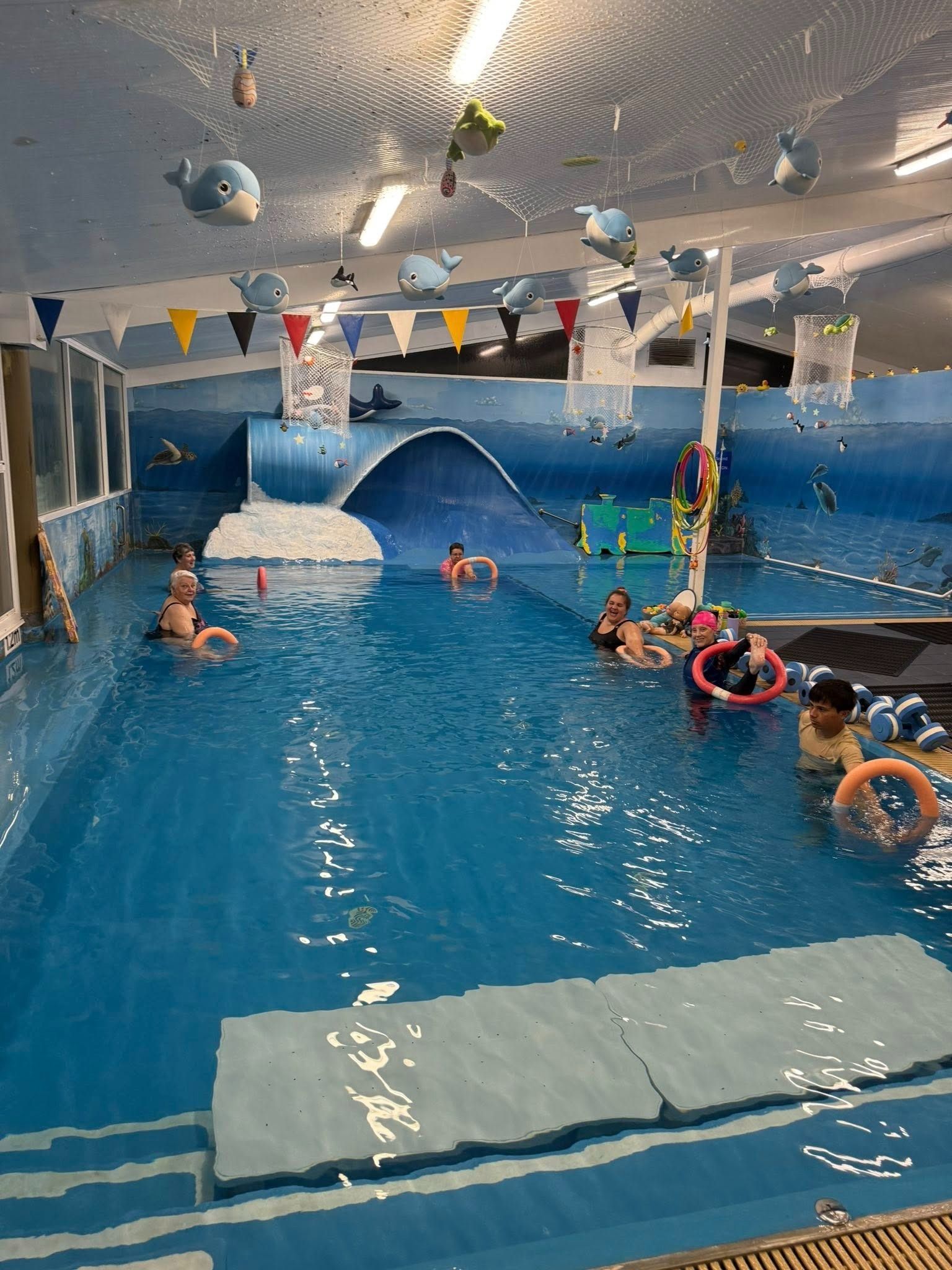
Exercise does not have to be solitary. Many seniors benefit from structured programs that provide both physical activity and social interaction. Group sessions designed for older adults can foster community and shared encouragement.
Seniors swimming in organised classes often find that structured sessions help maintain motivation. Being part of a group creates routine and accountability while offering opportunities to connect with others in a supportive setting.
Social advantages include:
- Shared goals with peers
- Encouragement from instructors
- Consistent weekly routine
- Opportunities for conversation before and after sessions
- Reduced feelings of isolation
For many seniors, the social aspect of swimming becomes just as valuable as the physical benefits.
Suitable for All Fitness Levels
One of the strengths of swimming is its adaptability. Sessions can be tailored to suit beginners, returning swimmers or those seeking moderate conditioning. Movements can range from gentle water walking to structured lap swimming or technique-focused drills.
At facilities offering swimming lessons Coffs Harbour seniors can access, programs are often adjusted to individual comfort levels. Instructors can provide guidance on breathing techniques, stroke efficiency and safe progression.
Adaptable elements of senior swimming programs include:
- Adjustable pace and intensity
- Rest intervals as needed
- Use of flotation aids if required
- Focus on comfort and safety
- Gradual progression over time
This flexibility makes swimming one of the few lifelong activities that can evolve alongside changing physical needs.
Building Confidence in the Water
Some seniors may not have learned to swim earlier in life. Others may feel hesitant returning to the water after many years. Learning or relearning basic techniques in a supportive environment can build confidence and independence.
Structured swimming lessons Coffs Harbour participants attend are not limited to children. Adult-focused sessions allow seniors to develop water safety awareness and technique at their own pace.
Gaining confidence in the water provides:
- Increased safety knowledge
- Greater independence during aquatic activities
- Improved breathing control
- Stronger sense of achievement
- Reduced anxiety around water environments
Building water confidence can be empowering at any age.
Long-Term Health and Healthy Ageing
Maintaining mobility and cardiovascular fitness contributes to independence later in life. Swimming supports muscle tone, endurance and flexibility without placing unnecessary stress on ageing joints.
When performed consistently and safely, swimming can become a cornerstone of healthy ageing. It supports functional movement patterns that help seniors continue daily tasks comfortably.
For those still asking is swimming good exercise later in life, it remains one of the most widely recommended low-impact activities due to its balance of resistance, support and adaptability.
Getting Started Safely
Before beginning any new exercise program, seniors should consult with a healthcare professional, particularly if managing chronic conditions or recent injuries. Once cleared, starting gradually is key.
Helpful starting tips include:
- Begin with short sessions
- Focus on gentle movements first
- Prioritise proper breathing technique
- Stay hydrated
- Listen to your body and rest as needed
With the right guidance and pacing, swimming can become a sustainable and enjoyable routine.
Discover Supportive Swimming Options
If you are exploring swimming lessons Coffs Harbour seniors can join in a welcoming environment, structured guidance can make all the difference. At SwimCare Swim School, we provide inclusive programs designed to support swimmers at every stage of life. Whether you are new to swimming or returning after time away, our experienced instructors focus on comfort, technique and gradual progression.
Visit our website to learn more about our programs and how we can help you stay active, confident and connected through swimming.