The Mental Health Benefits Of Regular Swimming
Finding effective ways to manage stress and support mental wellbeing has become increasingly important for many people. Among the different options available, swimming stands out as a practical and accessible activity that supports both physical and mental health. The mental health benefits of swimming are often linked to its calming nature, rhythmic movement and the unique environment created by water. When considering
swimming lessons in Coffs Harbour residents benefit from understanding how these advantages can provide additional motivation to incorporate swimming into a regular routine.
How Water Creates A Calming Environment
Water has a naturally soothing effect on the body and mind. Being immersed in water can help reduce external distractions and create a sense of calm.
- Gentle pressure of water can promote relaxation
- Reduced noise levels help minimise sensory overload
- Floating sensation can ease physical tension
- Consistent environment supports mental focus
This calming effect makes swimming a useful activity for those looking to unwind after a busy or stressful day. It creates a space where you can step away from daily pressures and focus on the present moment.
The Role Of Rhythmic Movement In Stress Reduction
Swimming involves repetitive and controlled movements that can have a meditative effect. This rhythm helps shift attention away from stress and toward the activity itself.
- Repetitive strokes encourage steady breathing patterns
- Focus on technique helps reduce racing thoughts
- Consistent pace supports a sense of control
- Movement can help release built up tension
These elements contribute to the mental health benefits of swimming, particularly for individuals experiencing ongoing stress or mental fatigue.
Breathing Control And Its Impact On Anxiety
Controlled breathing is a key part of swimming, and it plays an important role in managing anxiety. Learning how to regulate breathing can have lasting benefits beyond the pool.
- Encourages slower and more deliberate breathing
- Helps regulate heart rate during activity
- Supports relaxation responses in the body
- Builds awareness of breathing patterns
Swimming lessons in Coffs Harbour can help individuals develop these techniques, making them easier to apply in everyday situations when stress levels rise.
Physical Activity And Mental Wellbeing
Like other forms of exercise, swimming contributes to overall mental wellbeing through physical activity. Regular movement supports both mood and energy levels.
- Encourages release of endorphins
- Helps improve sleep quality
- Reduces feelings of fatigue and low energy
- Supports overall emotional balance

These benefits highlight why swimming is often recommended as part of a balanced lifestyle focused on both physical and mental health.
Creating Routine And Structure
Establishing a regular swimming routine can provide a sense of structure, which is important for mental health. Having consistent activities helps create stability in daily life.
- Scheduled sessions provide something to look forward to
- Routine supports consistency in self-care
- Regular activity helps build positive habits
- Structure can reduce feelings of uncertainty
Swimming lessons offer an opportunity to build this routine in a supportive environment, making it easier to stay consistent.
Social Connection Through Swimming
Swimming can also provide opportunities for social interaction, which plays an important role in mental wellbeing. Even simple interactions can have a positive impact.
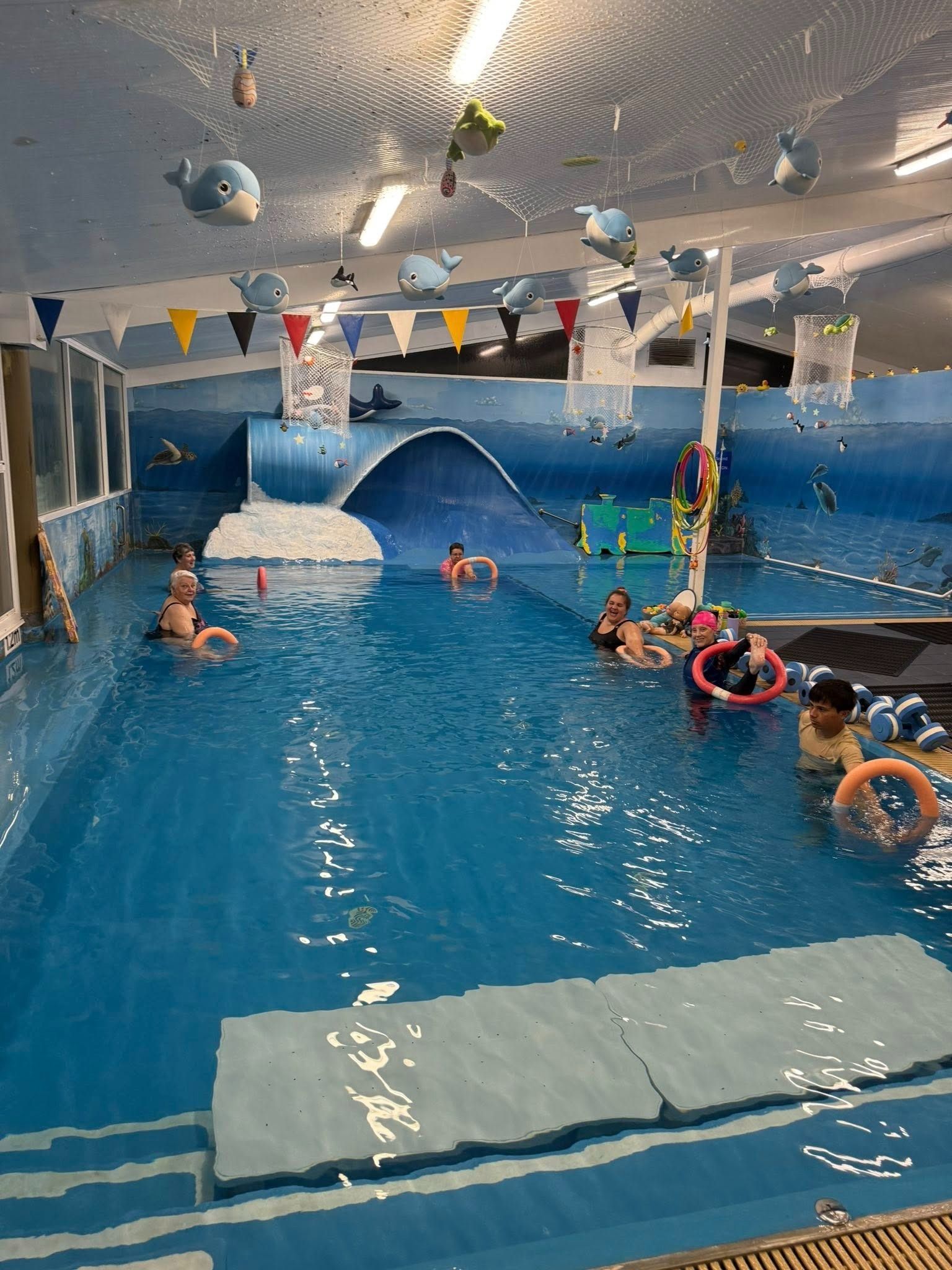
- Group lessons encourage shared experiences
- Interaction with instructors provides guidance and support
- Being around others can reduce feelings of isolation
- Social environments can improve motivation

These connections add another layer to the mental health benefits of swimming, helping individuals feel more supported.
Building Confidence In The Water
Learning and improving swimming skills can boost confidence over time. This sense of achievement can extend beyond the pool.
- Progress in technique builds self-confidence
- Overcoming challenges supports resilience
- Skill development encourages personal growth
- Confidence can carry into other areas of life
Swimming lessons in Coffs Harbour provide a structured way to develop these skills and build confidence gradually, regardless of experience level.
Managing Stress Through Focused Activity
Swimming requires concentration on technique, breathing and movement, which helps shift focus away from everyday pressures.
- Focus on the present moment reduces stress
- Structured activity provides mental clarity
- Physical effort helps release tension
- Consistent engagement supports relaxation
This focused approach makes swimming a valuable tool for managing stress in a practical and accessible way.
Supporting Long-Term Mental Health
Incorporating swimming into a regular routine can contribute to long-term mental wellbeing. Consistency plays a key role in maintaining these benefits.
- Regular activity supports ongoing stress management
- Improved fitness contributes to overall wellbeing
- Routine helps maintain positive habits
- Continued practice reinforces relaxation techniques
The mental health benefits of swimming are most noticeable when it becomes part of a long-term lifestyle rather than an occasional activity.
A Positive Step Toward Better Wellbeing
When looking for swimming lessons Coffs Harbour residents can rely on Swim Care Swim School to support both skill development and overall wellbeing. We understand that learning to swim can also contribute to mental health, offering a structured and supportive environment for individuals of all ages.
Making time for activities that support mental health is an important part of maintaining balance. Swimming offers a simple and effective way to reduce stress, build confidence and create a positive routine.
It is also worth recognising that progress in swimming does not need to be fast to be beneficial. Even short, consistent sessions can provide noticeable improvements in how you feel. Over time, these small steps can contribute to a stronger sense of wellbeing.
Another important aspect to consider is how swimming provides a break from screens and constant digital interaction. Spending time in the water creates a natural separation from devices, allowing the mind to reset without ongoing notifications or distractions. This break can improve focus and reduce mental fatigue, particularly for those who spend long periods working or studying.
Swimming also encourages a slower pace compared to many other activities. This slower, more controlled environment can help individuals reconnect with their body and become more aware of how they feel physically and mentally. This awareness is often linked to improved emotional regulation and a greater ability to manage stress over time.
For those new to swimming, starting with guided instruction can make the experience more comfortable and effective. Learning proper techniques ensures that each session is both safe and beneficial, while also building confidence in the water.
By making swimming a regular part of your routine, you create a dedicated space for both physical movement and mental reset. Over time, this consistency can support improved mood, better stress management and a more balanced approach to daily life.