When Should Kids Start Swimming Lessons in Coffs Harbour? A Parent's Age Guide
Every year, parents stand at the edge of the same decision: is my child ready for the water, or should we wait a little longer? It's a fair question, and one without a single neat answer, because kids develop at different speeds and confidence in water doesn't always follow a birthday. For families searching for kids' swimming lessons Coffs Harbour wide, the good news is that there's no need to guess. Readiness can be assessed properly, age by age, skill by skill, so your child starts at the right level rather than the wrong one. This guide walks through the ages, the signs of readiness and what actually happens in that first class, so you can make the call with confidence rather than second-guessing yourself.
Why Age Alone Doesn't Tell The Whole Story
Plenty of parents assume there's a magic age where swimming lessons suddenly become appropriate, but the reality is more nuanced than a number on a calendar. Two five-year-olds can walk into a pool and behave completely differently, one paddling in without a second thought and the other clinging to the edge. That's why instructors look beyond age and pay close attention to how a child actually responds to water before slotting them into a group.
Water readiness is generally judged on:
- How comfortable the child is with their face getting wet
- Whether they can follow simple instructions from an adult
- Their reaction to floating or being supported in the water
- General confidence around new environments and people
This is also where Royal Life Saving Australia guidance carries real weight, since it points to early exposure and structured skill-building as a meaningful way to reduce drowning risk from a young age.
What Age Should Kids Start Swimming Lessons
This is one of the most searched questions parents ask, and for good reason, because starting too early or too late can both bring unnecessary stress. Most swim schools, including ours, begin baby classes from around three months old, using gentle water familiarisation rather than formal strokes. From there, toddlers typically progress into more structured groups between two and four years old, once they've built basic comfort and can respond to simple cues.
Generally, the progression looks like this:
- 3 months to 2 years: gentle water familiarisation and parent-assisted sessions
- 2 to 4 years: introduction to independent movement and safety basics
- 4 years and up: structured stroke development and skill progression
Rather than fixating on a strict cut-off, it helps to think of these as guideposts. A child's temperament, prior water exposure and comfort level all shape where they land within that range.
Signs Your Child Is Ready To Begin
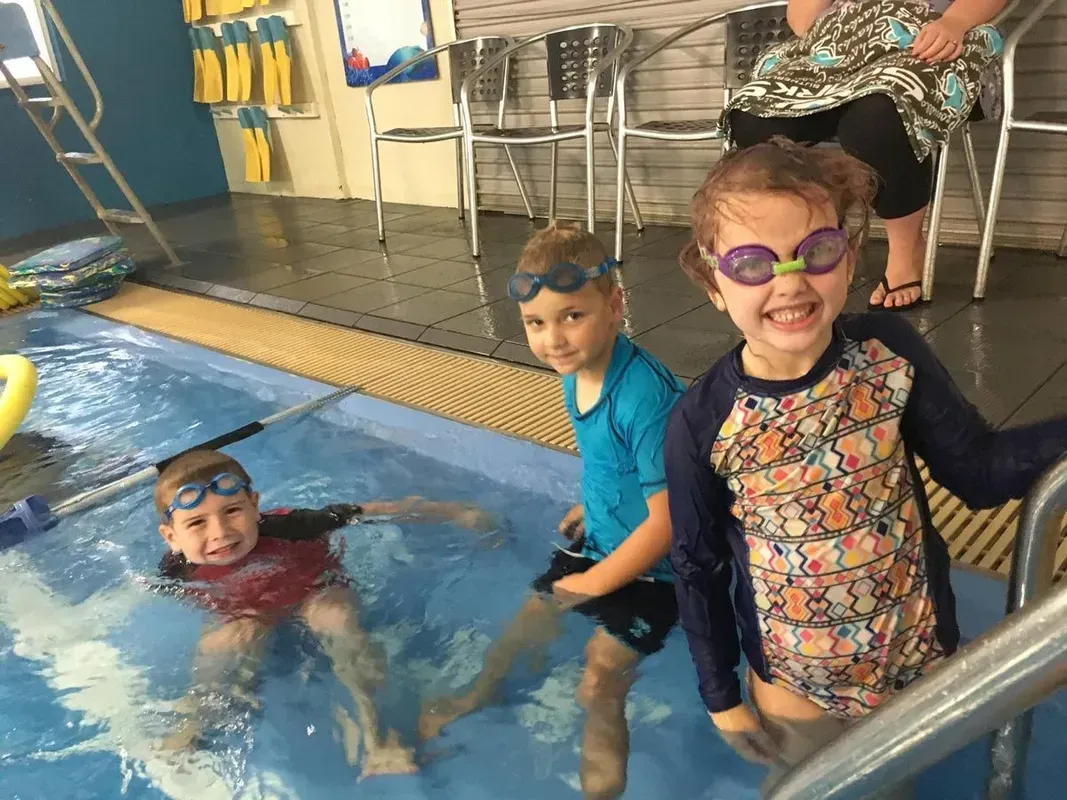
Beyond age brackets, there are behavioural cues that tend to show up when a child is genuinely ready to start. Parents often notice these signs during bath time or beach visits long before they consider formal classes, and they're worth paying attention to. A child who splashes happily, tolerates water on their face without distress and shows curiosity rather than fear is usually in a good position to begin structured lessons.
Watch for these everyday indicators:
- Enjoys splashing or playing with water at home
- Doesn't panic when water touches their face
- Can sit or stand with some balance and coordination
- Shows interest in copying movements or following along
If these signs aren't quite there yet, that's not a red flag either; it simply means a gentler starting point, such as parent-and-baby sessions, might suit better for now.
How A First Assessment Session Actually Works
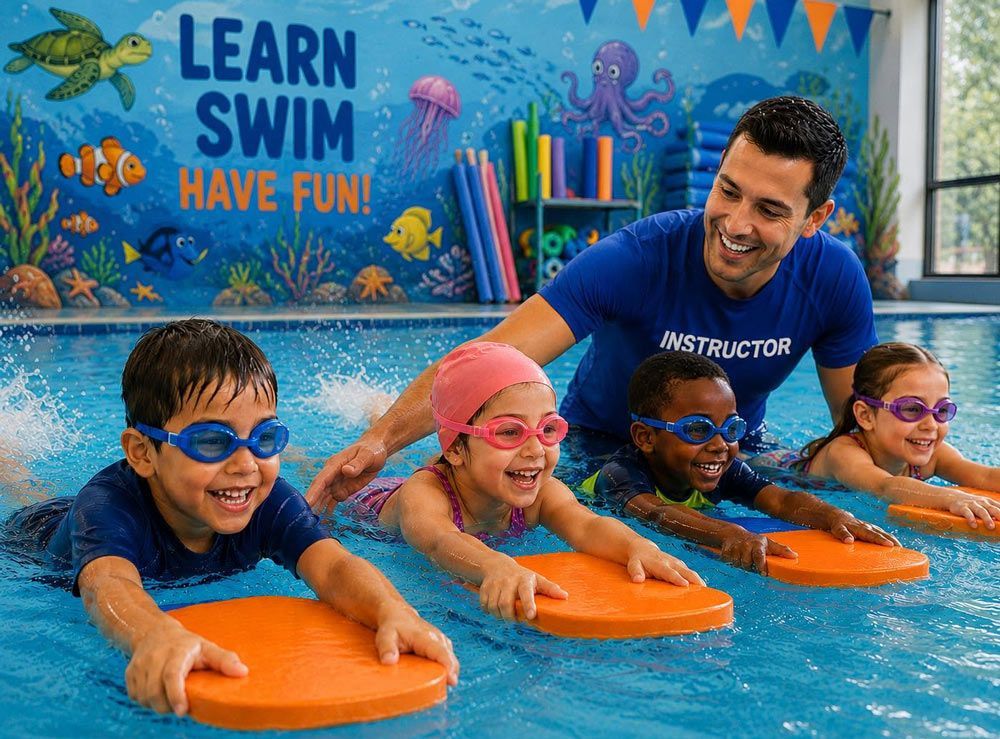
Rather than placing every child into a class based purely on their age, a properly run first session is designed to observe rather than assume. Instructors watch how a child moves in the water, how they respond to instructions and how confident they feel with basic tasks like blowing bubbles or floating with support. This small-group assessment approach means placement decisions are based on genuine readiness rather than guesswork.
During that first session, instructors typically look at:
- Comfort level when entering and moving through the water
- Ability to follow one-step instructions
- Reaction to floating, kicking or holding onto the pool edge
- General confidence and willingness to try new movements
Our kids swimming classes in Coffs Harbour are structured in small, age-graded groups so every child is placed at the right level from day one.
Baby Swimming Versus Structured Kids Classes
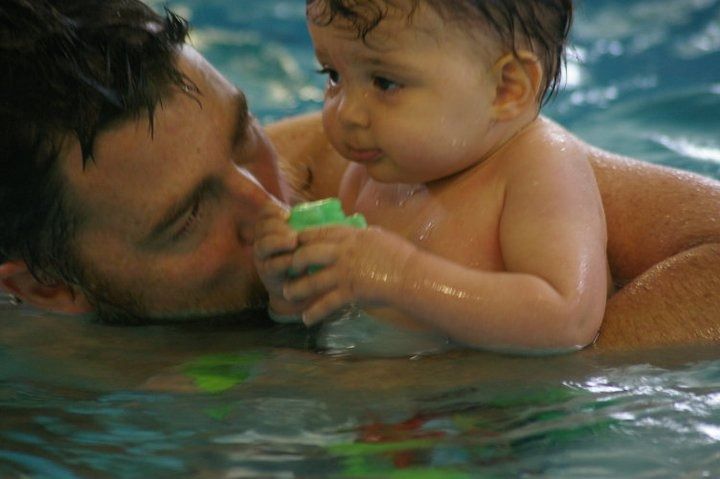
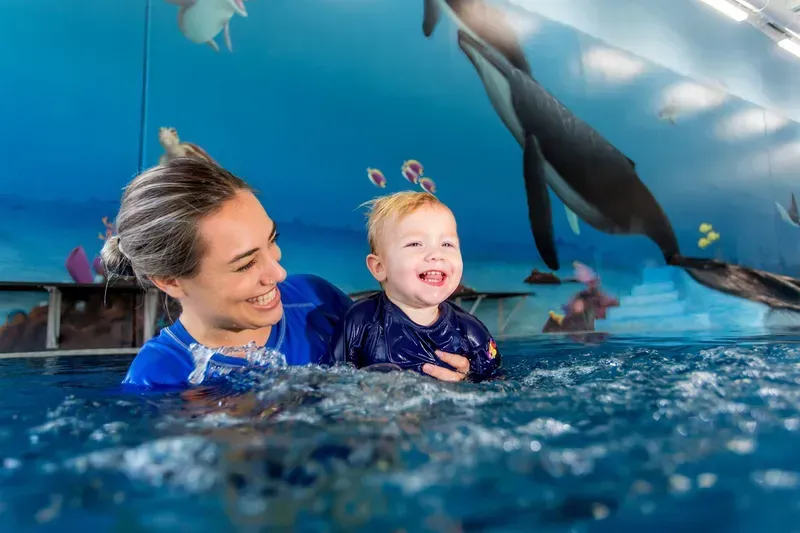
For children under three, there's a meaningful difference between baby swimming sessions and the more structured classes that follow. Baby lessons are built around gentle familiarisation, bonding and simple movement patterns, usually with a parent in the water alongside their child. Structured kids classes, by contrast, introduce a bit more independence and begin building toward recognisable strokes and safety skills.
If your child is under three, our baby swimming lessons in Coffs Harbour are a gentler starting point before moving into structured kids classes. Making that transition at the right time, rather than rushing it, tends to produce steadier progress and a more confident swimmer down the track.
How Long Do Kids Swimming Lessons Actually Run For
Parents often want to know what they're committing to before enrolling, and the answer depends a little on age and program type. Most sessions run between 25 and 30 minutes, which lines up well with a young child's attention span and energy levels. Baby classes tend to sit at the shorter end, while older kids working on stroke technique may have slightly longer sessions as their focus and stamina develop.
Typical session lengths include:
- Baby and toddler classes: around 25 minutes
- Kids' structured classes: 25 to 30 minutes
- Squad or advanced groups: slightly longer, depending on skill level
Shorter, consistent sessions tend to keep kids engaged without overwhelming them, which supports steadier long-term progress.
Why Weather And Seasons Shouldn't Delay Getting Started
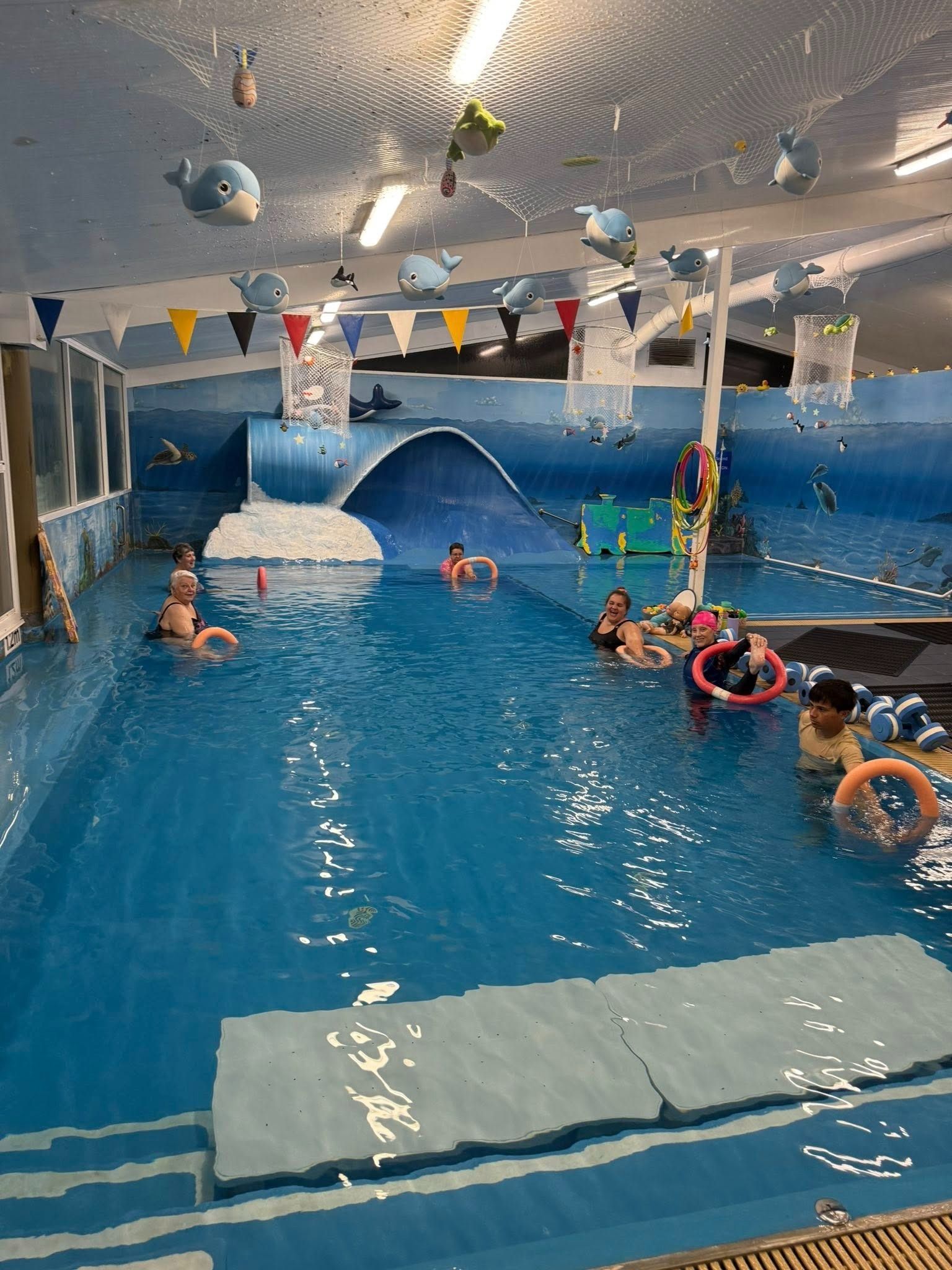
One barrier that often holds families back is the idea that swimming lessons are a summer activity, best started once the weather warms up. In reality, that thinking can push back a child's readiness by months for no real benefit. Heated indoor pools remove that seasonal hurdle entirely, meaning cooler months are just as suitable for building water confidence as the height of summer.
Consistent, year-round conditions support:
- Comfortable water temperatures regardless of the season
- Uninterrupted skill progression without long breaks
- Reduced anxiety from cold water, which can otherwise put kids off
Starting early also builds the safety foundations we cover in our guide on how swimming builds confidence and safety skills for kids.
What To Expect In The First Few Weeks
Once a child begins lessons, the first few weeks are usually less about strokes and more about comfort, trust and small wins. Instructors focus on building a positive relationship with the water before pushing technique, which helps avoid the fear or resistance that can come from moving too fast. Parents sometimes expect visible "swimming" within the first session or two, but the early weeks are really about laying groundwork.
Early progress generally includes:
- Becoming comfortable with face and head submersion
- Learning to float with support and gradually less assistance
- Building basic kicking and arm movement patterns
- Growing confidence in following instructor cues independently
Patience during this stage tends to pay off, since kids who feel safe and unrushed early on generally progress more steadily once formal stroke work begins.
Ready To Start Your Child's Swimming Journey
We at SwimCare Swim School understand that deciding when to start can feel like a bit of a guessing game, especially with two locations to choose from and different needs for every child. Whether you're closer to Boambee or Moonee, both our centres offer heated indoor pools, small group sizes and instructors who genuinely take the time to assess where your child is at before placing them in a class. If you've been weighing up the right time to begin, there's rarely a downside to starting sooner rather than later. Ready to get started? Check our timetable to find a class time that suits your family, or give our friendly team a call to chat through the right option for your child.