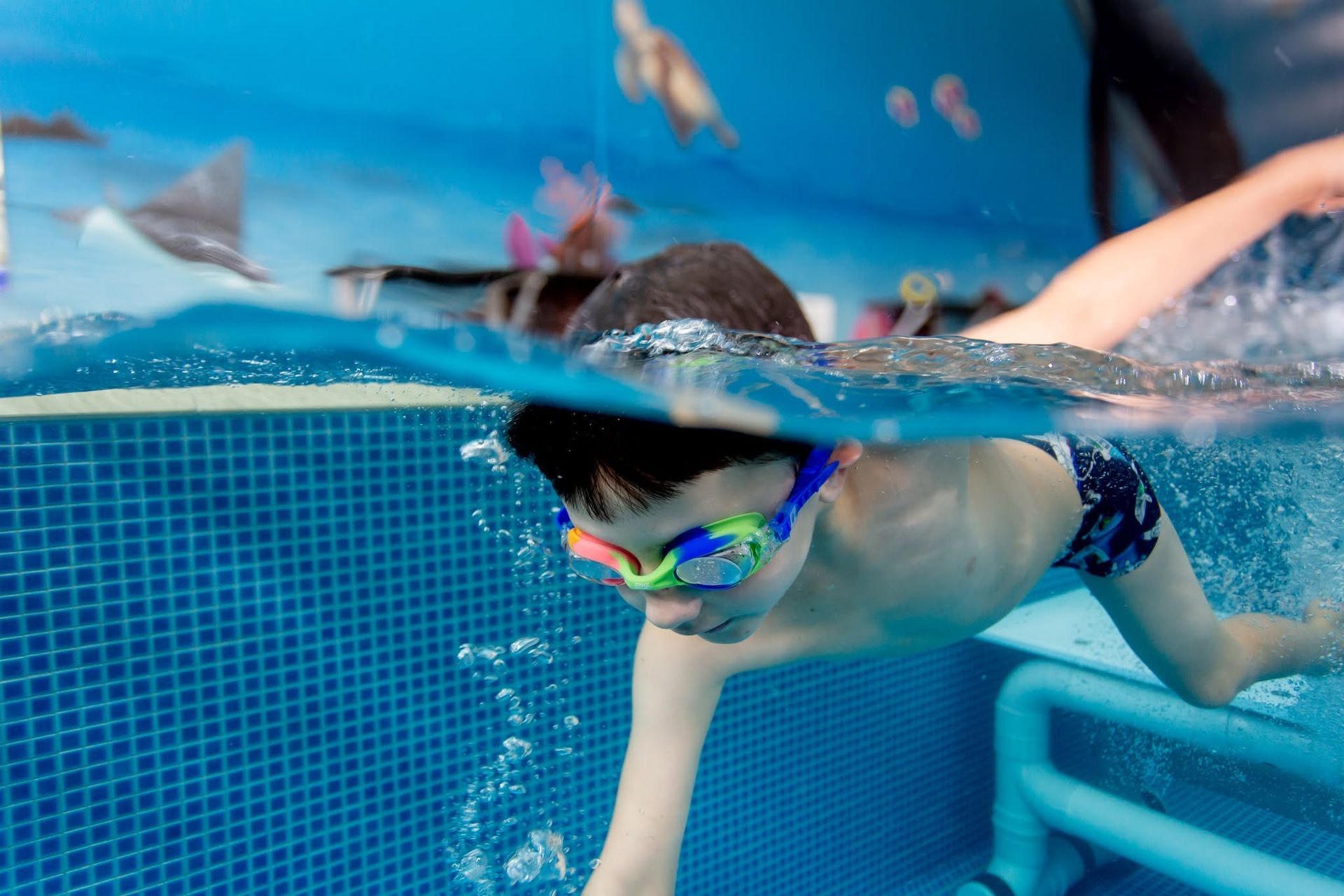
Understanding Different Levels Of Swimming Lessons

SwimCare Swim School • June 11, 2026

Swimming lessons in Coffs Harbour are not one-size-fits-all. Whether you are enrolling a baby for their very first splash, signing up a school-age child who wants to build confidence, or an adult looking to develop a skill you never had the chance to learn, structured progression is what turns early water experiences into genuine, lasting ability. Understanding how swimming lesson levels work, and why moving through them in order matters, helps families make better decisions and set realistic expectations for every swimmer. This guide breaks down what each stage looks like and why the progression from one level to the next is so important.

Why Structured Levels Matter in Swimming Education

A well-structured swim school in Coffs Harbour uses defined levels to ensure every swimmer is learning the right skills at the right time. Rushing a child or adult through stages they are not yet ready for can build bad habits, create anxiety around water and ultimately slow long-term development.


Structured levels work because they build on each other. The water confidence developed in baby classes directly supports a child's ability to follow instruction in later programs. Basic floating and kicking skills form the foundation for every stroke that comes after. Without that foundation, more advanced skills become harder to learn and harder to retain.


Clear progression pathways also ensure swimmers are grouped with others at a similar stage, allowing instructors to focus their teaching more effectively. For more on what to look for when choosing a program, our guide on the top qualities to look for in a great swim school is a helpful starting point.

Level 1 — Water Familiarisation (Babies and Toddlers)

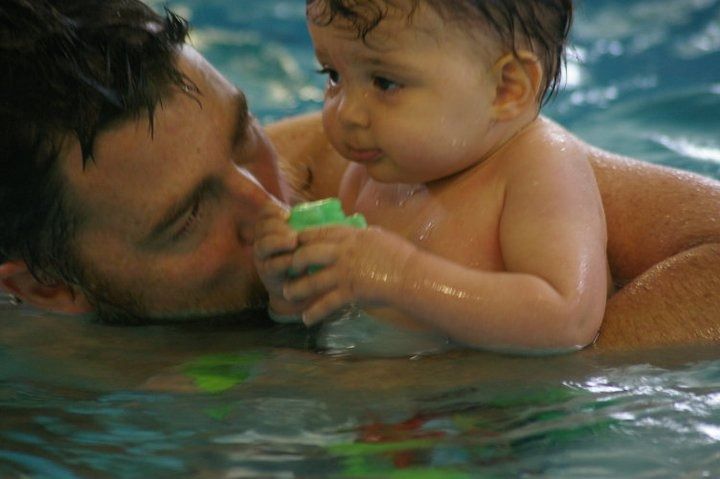
The earliest stage of swimming education is about comfort, not technique. For babies and very young toddlers, the goal is to introduce water as a safe and enjoyable environment through gentle, play-based activities — always with a parent or caregiver in the water alongside them.


Babies introduced to water early tend to transition into independent lessons more smoothly, with fewer fears to overcome and a natural familiarity with movement in water. Key outcomes at this level include comfort with water on the face, basic breath control, relaxed floating with support, and a positive association with the water environment.

Level 2 — Water Safety and Basic Skills (Beginners)

Once a child is comfortable in the water, the focus shifts to foundational safety skills and independent movement. This is where structured, instructor-led classes begin in earnest.


Core skills at this level include floating independently on the front and back, basic kicking, supported and unsupported propulsion, safe pool entry and exit, and basic breath control. As we explore in our blog on how swimming builds confidence and safety skills for kids, these early skills are genuinely life-saving. Children who can float and move independently are significantly safer around water, regardless of how polished their stroke technique is.


Progress at this level is individual — a good instructor recognises when a swimmer is ready to move forward and when they would benefit from consolidating what they already know.

Level 3 — Stroke Development (Intermediate)

With water safety foundations in place, the focus moves to developing recognisable strokes. Most programs introduce freestyle and backstroke first, followed by breaststroke and butterfly as coordination develops.


Swimmers at this level are learning not just the mechanics of each stroke but the breathing patterns, timing and body position that make each one efficient. Poor technique learned here can become deeply ingrained and difficult to correct later, which is one of the strongest arguments for professional instruction. Drills and training aids help isolate and refine specific aspects of each stroke, building both technique and endurance.

Level 4 — Consolidation and Multi-Stroke Competency (Advanced)

At this level, swimmers have a working knowledge of all four strokes and can swim independently. The focus shifts to refining technique, correcting weaknesses and building the endurance to swim longer distances consistently.


Swimmers at this stage are typically ready for squad classes, where training becomes more structured and goal-oriented. It is worth noting that even experienced recreational swimmers often have technical areas that benefit from coaching — regular lessons continue to deliver value well beyond the beginner stages.

Adult Swimmers and the Level Pathway

Adults benefit from the same structured progression as younger swimmers, starting at whatever level reflects their current ability. New adult swimmers typically begin at the water safety and basic skills stage, while those with some existing ability may start at an intermediate level focused on stroke correction. For more on the broader benefits of making swimming a regular habit, our article on the mental health benefits of regular swimming is worth a read.


The pace of adult lessons is adapted to suit adult learners, and there is no age at which swimming cannot be learned or meaningfully improved.

How to Know When a Swimmer Is Ready to Progress

Progression should always be based on demonstrated competency, not age or time spent at a level. Moving a swimmer forward before they are ready creates gaps in their foundation. Keeping a capable swimmer at a level they have outgrown leads to disengagement. The role of a qualified instructor is to assess honestly and make decisions based on what a swimmer can actually do.


Working with qualified instructors at a structured swim school in Coffs Harbour ensures swimmers build safe, correct habits from the very beginning that support their development at every level that follows.

Ready to Find the Right Level for Your Swimmer?

Swimming lessons in Coffs Harbour at SwimCare Swim School are structured to support swimmers at every stage, from babies just beginning their water journey through to adults working on technique and fitness. With two locations at Boambee and Moonee, qualified AUSTSWIM and Royal Life Saving instructors and small class sizes, SwimCare provides the structured pathway that leads to safer, more confident swimmers. Get in touch with our team to find the right starting point for your swimmer.

Man Holds a Baby in a Swimming Pool
By Swim Care Swim School April 16, 2026
Improve mood, reduce stress and build confidence with swimming lessons in Coffs Harbour. Start your journey to better mental wellbeing today.
Children wearing goggles during a swim lesson at SwimCare Swim School
By SwimCare Swim School March 24, 2026
Help your child grow with SwimCare Swim School. Discover how swimming improves focus and discipline in kids. Enrol your child today to get started!
A Senior Couple Smiling While Swimming In A Clear Blue Pool
By SwimCare Swim School March 2, 2026
Discover how swimming lessons in Coffs Harbour support seniors with low impact exercise that improves mobility, fitness and overall wellbeing.
A Qualified Instructor
By Swim Care Swim School November 4, 2025
Discover the top qualities that define good swimming lessons. Learn what to look for when choosing swimming lessons in Coffs Harbour.
Instructor With Two Young Girls in a Pool — Swim Care Boambee in Harbour, NSW
September 23, 2025
Build safety skills and confidence in children. Enrol now in kids swimming classes in Coffs Harbour for lasting growth.
Three Children Underwater Smiling With Arms Around Each Other — Swim Care Boambee in Harbour, NSW
August 28, 2025
Discover how swimming lessons Coffs Harbour provide expert guidance and safe techniques. Learn why professional instruction is the best choice. Enrol today.
Show More