What Does A Swim Class Actually Look Like? A Guide To Your First Lesson

SwimCare Swim School • June 22, 2026

That first drop-off at a swim school can feel surprisingly nerve-wracking — for parents and adult learners alike. Not knowing what's on the other side of the pool gate is usually what makes it daunting. Once you understand the structure of a lesson, the nerves tend to settle quickly.


Swimming lessons in Coffs Harbour families rely on follow a clear, purposeful format designed to build confidence alongside skill, and knowing what to expect before you arrive makes the whole experience easier for everyone involved.

Why Class Structure Matters

A well-structured lesson isn't just about ticking boxes — it's about creating a predictable, safe environment where swimmers can focus on learning rather than wondering what comes next. For young children, especially, routine builds comfort. For adults returning to the water after years away, understanding the format removes the uncertainty that often delays enrolment.


Knowing how a class runs also helps parents set realistic expectations at home. When a child knows what's coming — warm-up, skill work, cool-down — they're more likely to engage and less likely to resist.

How Long Does a Class Run?

Class duration at SwimCare Swim School varies depending on age group and program level:


Shorter sessions for younger swimmers aren't a compromise — they're intentional. At that age, quality of engagement matters far more than volume of time in the water.

The Warm-Up Phase

Every lesson begins with a warm-up designed to ease swimmers into the water and prepare their bodies for activity. For younger children, this often looks more like play than exercise — and that's deliberate. Water familiarisation is a genuine skill, and activities that feel fun are building important foundations.


Typical warm-up elements include:


  • Gentle water entry and movement around the pool edge
  • Blowing bubbles and basic breath control exercises
  • Kicking drills with the pool wall or a kickboard for support
  • For older swimmers, a short lap or two at a relaxed pace


The warm-up also gives instructors a quick read on how each swimmer is feeling that day — confidence, energy levels and any hesitation that might need extra attention during the lesson.

Main Skill Work

This is the core of the lesson and where the real progression happens. Skill work is structured around the swimmer's current level, with instructors moving between technique correction, demonstration and encouragement throughout.


Depending on the class, this section covers a combination of:


  • Breath control — learning to exhale underwater and time breathing with stroke rhythm
  • Floating — both on the back and front, building body position awareness and relaxation in the water
  • Kicking technique — developing a strong, efficient kick from the hip rather than the knee
  • Stroke development — freestyle, backstroke, breaststroke and butterfly are introduced progressively as swimmers advance
  • Endurance and lap work — for more advanced groups, building the ability to maintain technique over longer distances


Kids swimming lessons focus heavily on safety and water confidence in the early stages, with stroke refinement introduced once foundational skills are consistent. Baby swimming lessons take a different approach entirely — sessions centre on parent-child bonding, water familiarisation and gentle submersion, laying the groundwork for more structured learning as children grow.

Cool-Down and Instructor Feedback

The final few minutes of a lesson serve two purposes: winding down physically and consolidating what was covered. For younger children, this might involve a relaxed float, gentle movement or a brief group activity. For older swimmers, a slower lap or stretching at the pool edge is common.


Instructor feedback at the end of a lesson is one of the most valuable parts of the experience — particularly for parents watching from the deck:


  • Instructors typically offer a brief verbal summary of what was practised
  • They'll highlight what went well and flag any areas to work on before next week
  • For younger swimmers, this is a good time for parents to ask questions or raise any concerns


Consistent feedback between lessons helps families understand their child's progress and reinforces at-home conversations about swimming.

What to Bring

Packing for a swim class is straightforward once you know the basics. A few essentials worth having ready:


  • Swimwear appropriate for the class (one-piece or fitted shorts for children; bubs may need a swim nappy)
  • Goggles — most school-age swimmers benefit from having their own pair
  • A towel and change of clothes
  • Thongs or sandals for poolside walking
  • A water bottle for after the lesson
  • For baby classes, a spare nappy, change of clothes and any comfort items for after the session


SwimCare Swim School's heated indoor pools keep the water at a comfortable temperature year-round, so cold water is one thing you won't need to prepare for.

How Classes Differ Across Age Groups

The structure described above applies broadly across all age groups, but the experience looks and feels quite different depending on where a swimmer sits in the program:


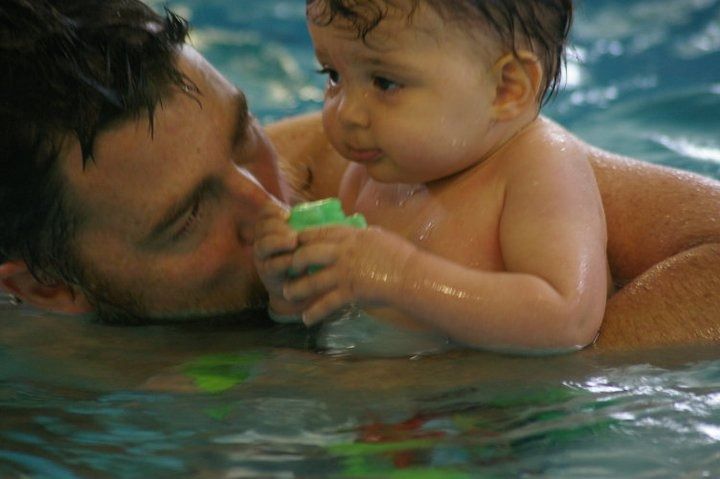
  • Babies and toddlers — parent-assisted sessions focused on water comfort, submersion and song-based learning. Low pressure, high warmth
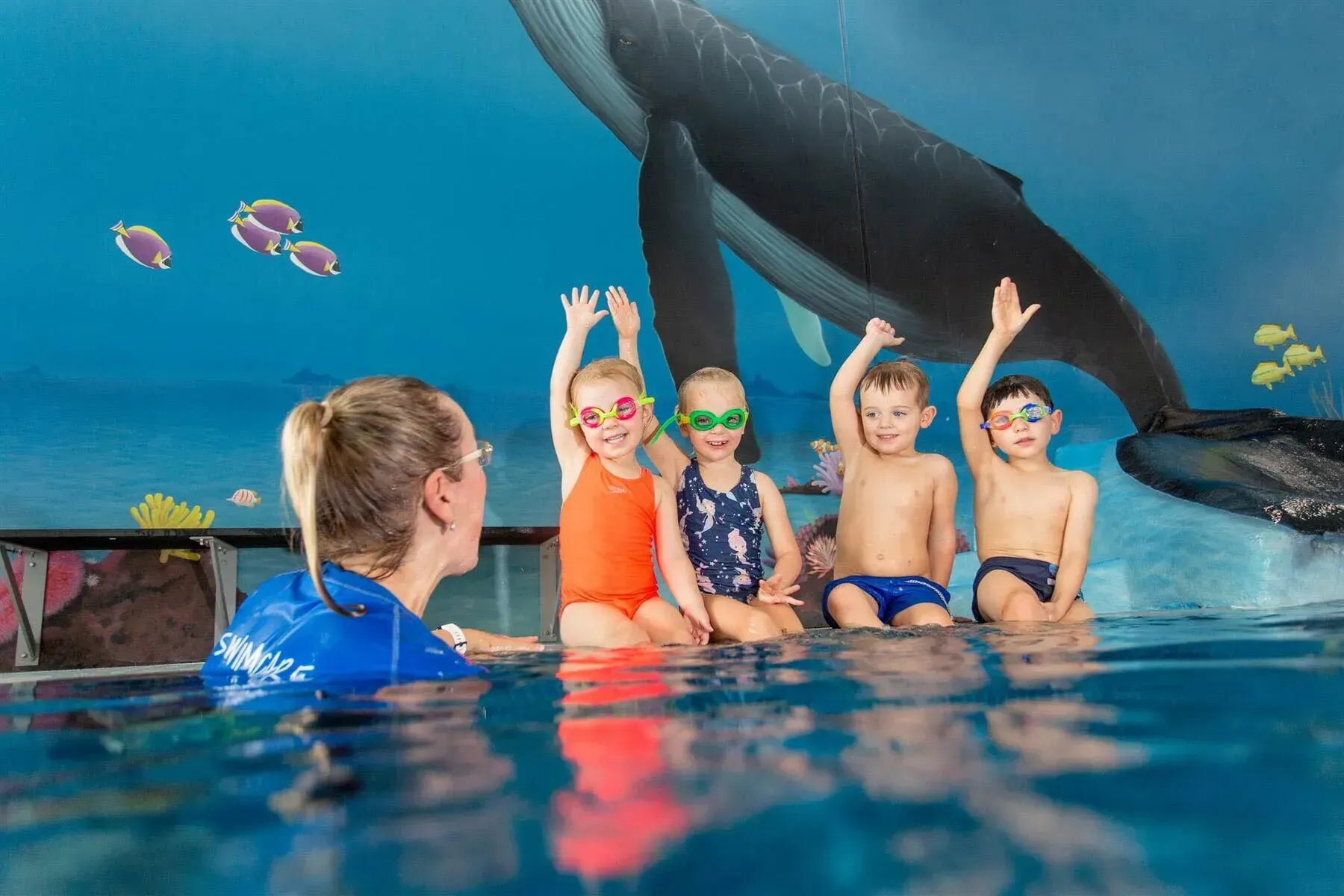
  • Preschool & school-age children — small group lessons with qualified instructors, progressive skill development and plenty of encouragement
  • Squad classes for swimmers who've mastered the four strokes and are ready to develop fitness, efficiency and greater endurance
  • Adults — structured around individual starting points, whether that's learning from scratch or refining technique. Sessions are supportive and judgment-free

Frequently Asked Questions

How often should my child attend?

What if my child is nervous about the water?

Is it too late to start as an adult?

Are swim aids used in class?

Taking the Next Step

We at SwimCare Swim School run lessons across two locations to make access as easy as possible for families across the region. Whether you're looking to enrol a baby, a school-age child or you're an adult ready to finally get comfortable in the water, our team is here to help you find the right class and get started.


Visit our Boambee Swim School just south of Coffs Harbour, or our Moonee Swim School just north of town — both offer heated indoor pools, small class sizes and qualified instructors who genuinely love what they do. If you're searching for a swim class near me or want to find out more about swimming lessons near me, get in touch with our team and we'll help you find the right fit.

Indoor Pool With Children and Adults Swimming
By SwimCare Swim School June 11, 2026
Understand different levels of swimming lessons in Coffs Harbour. Find the right program for every age and skill level. Enquire today to get started.
Man Holds a Baby in a Swimming Pool
By Swim Care Swim School April 16, 2026
Improve mood, reduce stress and build confidence with swimming lessons in Coffs Harbour. Start your journey to better mental wellbeing today.
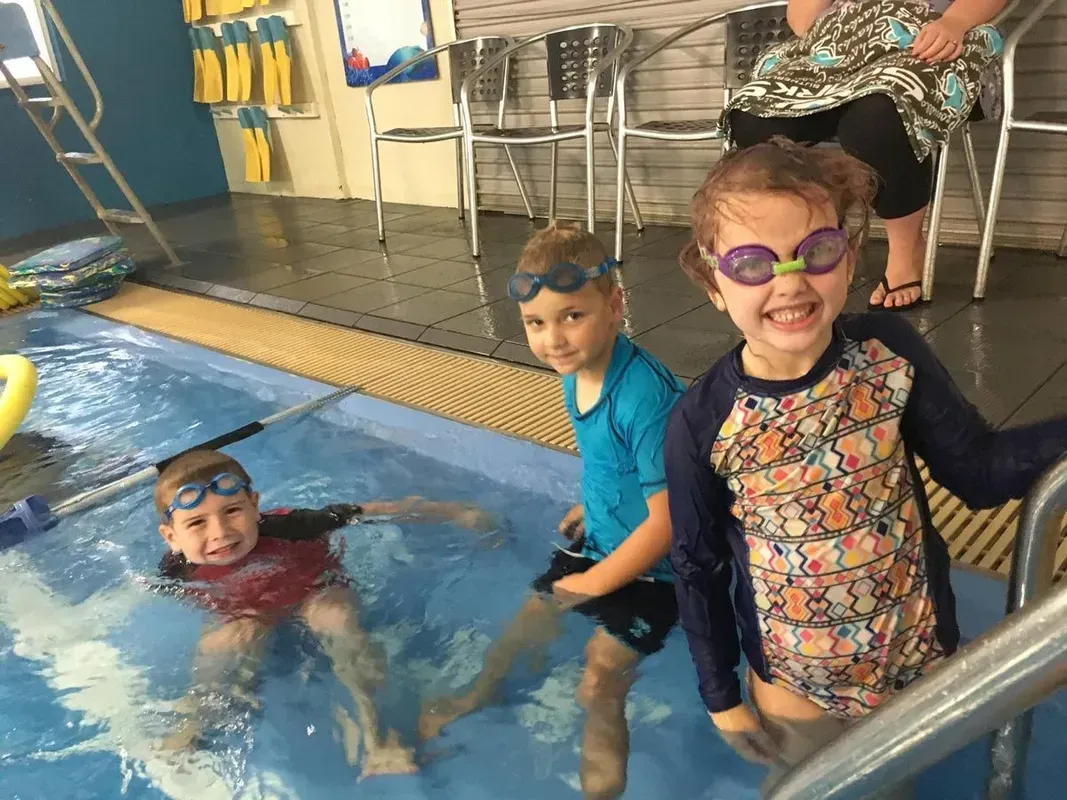
Children wearing goggles during a swim lesson at SwimCare Swim School
By SwimCare Swim School March 24, 2026
Help your child grow with SwimCare Swim School. Discover how swimming improves focus and discipline in kids. Enrol your child today to get started!
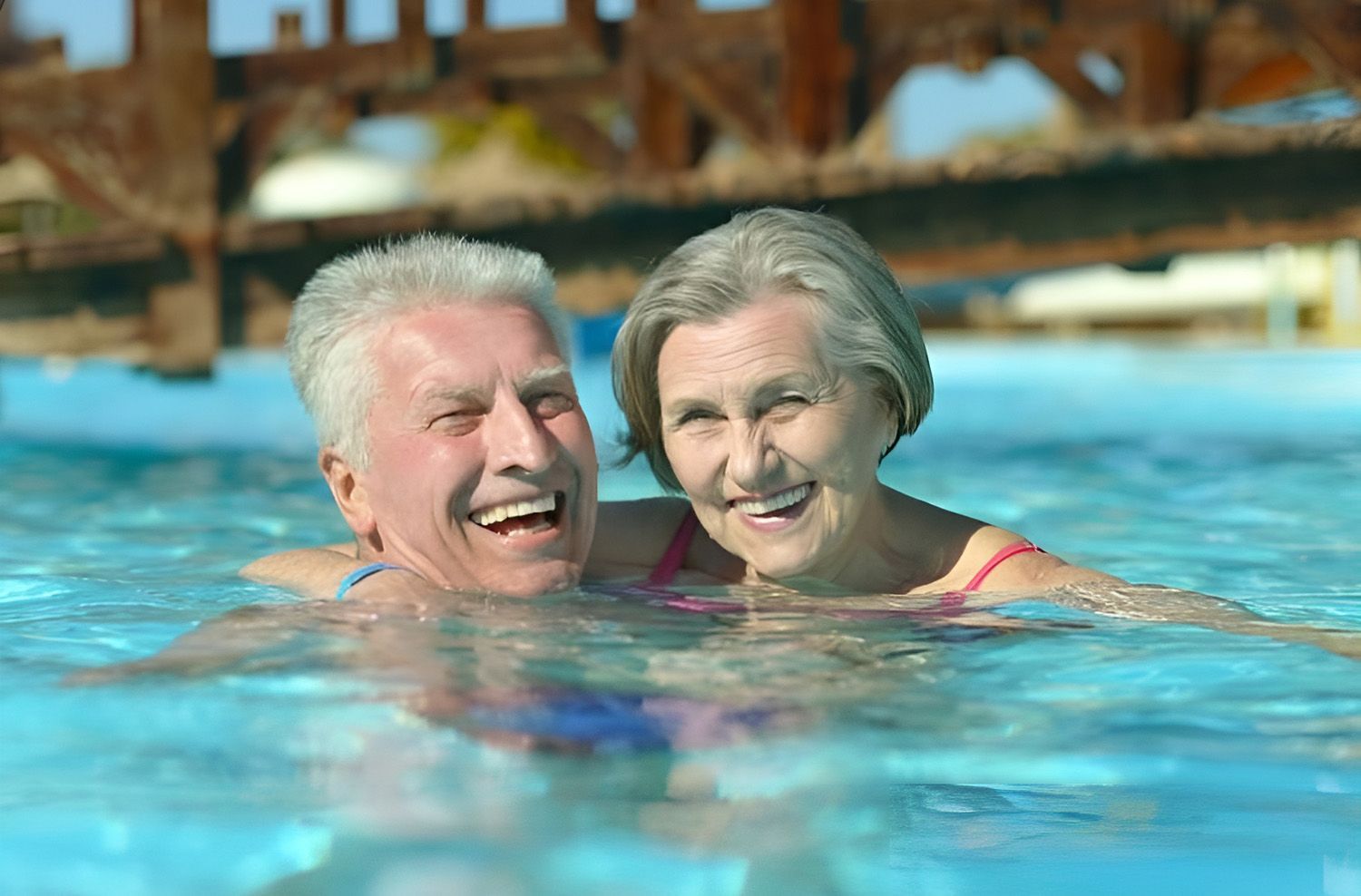
A Senior Couple Smiling While Swimming In A Clear Blue Pool
By SwimCare Swim School March 2, 2026
Discover how swimming lessons in Coffs Harbour support seniors with low impact exercise that improves mobility, fitness and overall wellbeing.
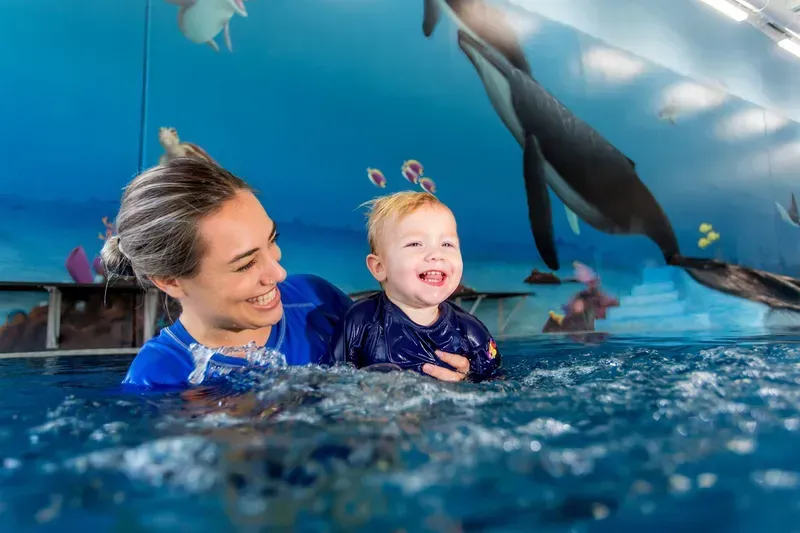
A Qualified Instructor
By Swim Care Swim School November 4, 2025
Discover the top qualities that define good swimming lessons. Learn what to look for when choosing swimming lessons in Coffs Harbour.
Instructor With Two Young Girls in a Pool — Swim Care Boambee in Harbour, NSW
September 23, 2025
Build safety skills and confidence in children. Enrol now in kids swimming classes in Coffs Harbour for lasting growth.
Show More