How Swimming Lessons Support Long-Term Fitness Goals
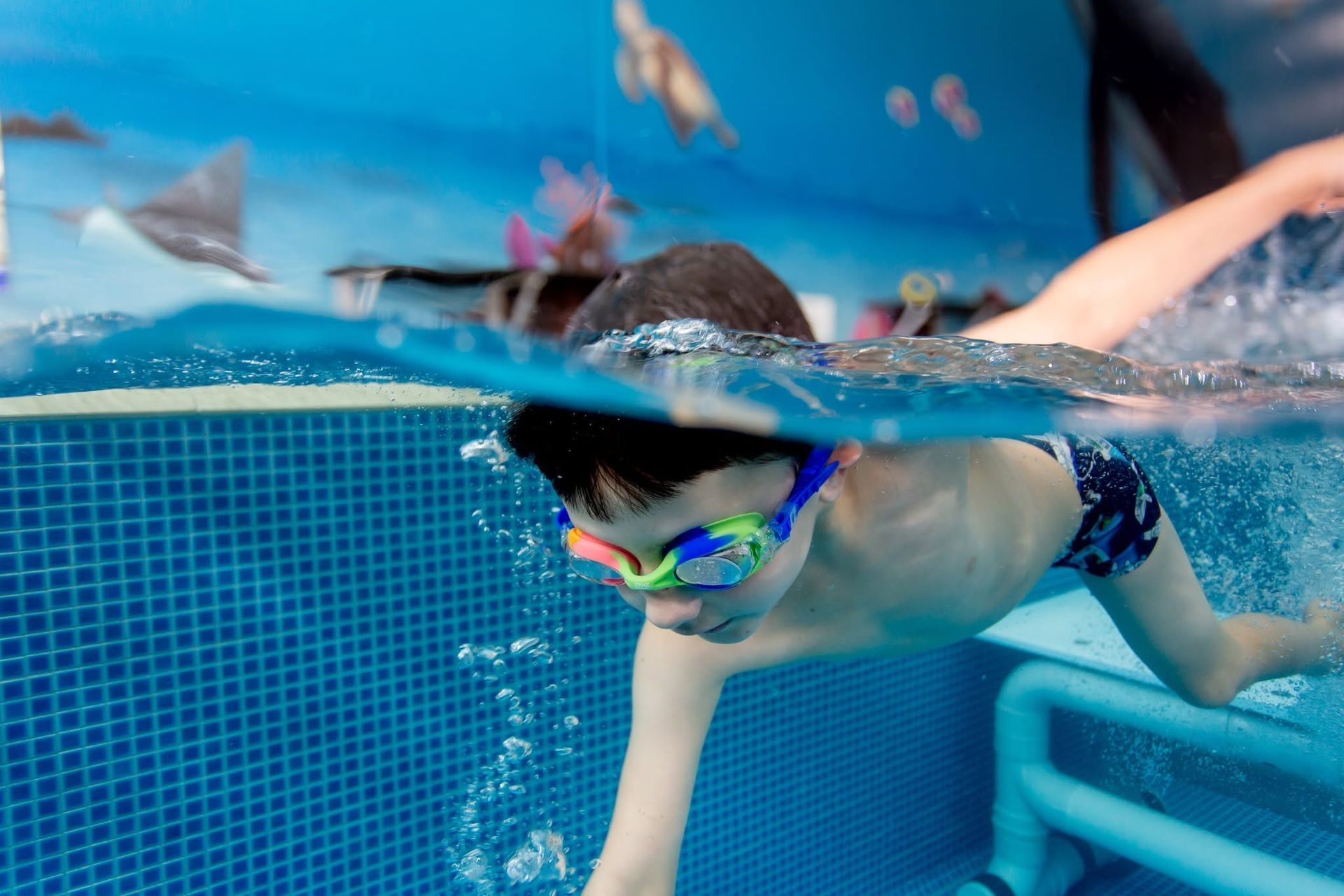
Swimming lessons support long-term fitness by improving cardiovascular endurance, building strength and encouraging consistent physical activity. Unlike high-impact exercise, swimming provides a full-body workout while placing less pressure on your joints. Through regular swimming lessons Coffs Harbour residents can develop the skills and confidence needed to maintain an active lifestyle.
Whether you're an adult improving your fitness, a parent encouraging healthy habits or someone seeking low-impact exercise, swimming offers benefits that extend beyond the pool.
Why Swimming Supports Lifelong Fitness
Swimming combines cardiovascular exercise, muscular endurance and coordinated movement, making it suitable for people with different fitness levels. Water provides natural resistance, challenging your muscles while supporting your body weight.
Regular swimming can contribute to several aspects of physical fitness:
- Cardiovascular endurance: Swimming challenges your heart and lungs, helping improve stamina.
- Muscular strength: Water resistance engages muscles throughout your arms, legs and core.
- Flexibility: Different swimming strokes encourage controlled movement and mobility.
- Coordination: Learning swimming techniques develops balance, timing and body awareness.
- Physical endurance: Gradually increasing swimming distances helps build sustained fitness.
One advantage of swimming is its adaptability. Beginners can start with short sessions, while experienced swimmers can increase distances or explore more challenging techniques.
Rather than focusing on immediate results, swimming encourages gradual improvement, making it easier to maintain healthy exercise habits throughout life.
Building Consistent Exercise Habits Through Swimming Lessons
Consistency is essential for achieving lasting fitness goals. Structured swimming lessons provide regular opportunities to exercise while developing skills that make swimming more enjoyable.
Having scheduled lessons can help participants establish routines without needing to plan every workout independently. This is particularly beneficial for beginners who may struggle to maintain motivation.
At SwimCare Swim School, we focus on helping swimmers develop confidence, improve technique and progress at a comfortable pace.
Regular lessons also make improvements easier to recognise. Someone who initially struggles to swim one pool length may eventually complete several lengths without stopping.
These achievements encourage continued participation and demonstrate how small improvements contribute to long-term fitness.
Swimming doesn't need to become competitive to be worthwhile. Simply enjoying regular movement in the water can support an active, balanced lifestyle.
The Benefits of Low-Impact Exercise
Swimming is a low-impact activity because water supports much of your body weight. This reduces pressure on weight-bearing joints compared with activities such as running or jumping.
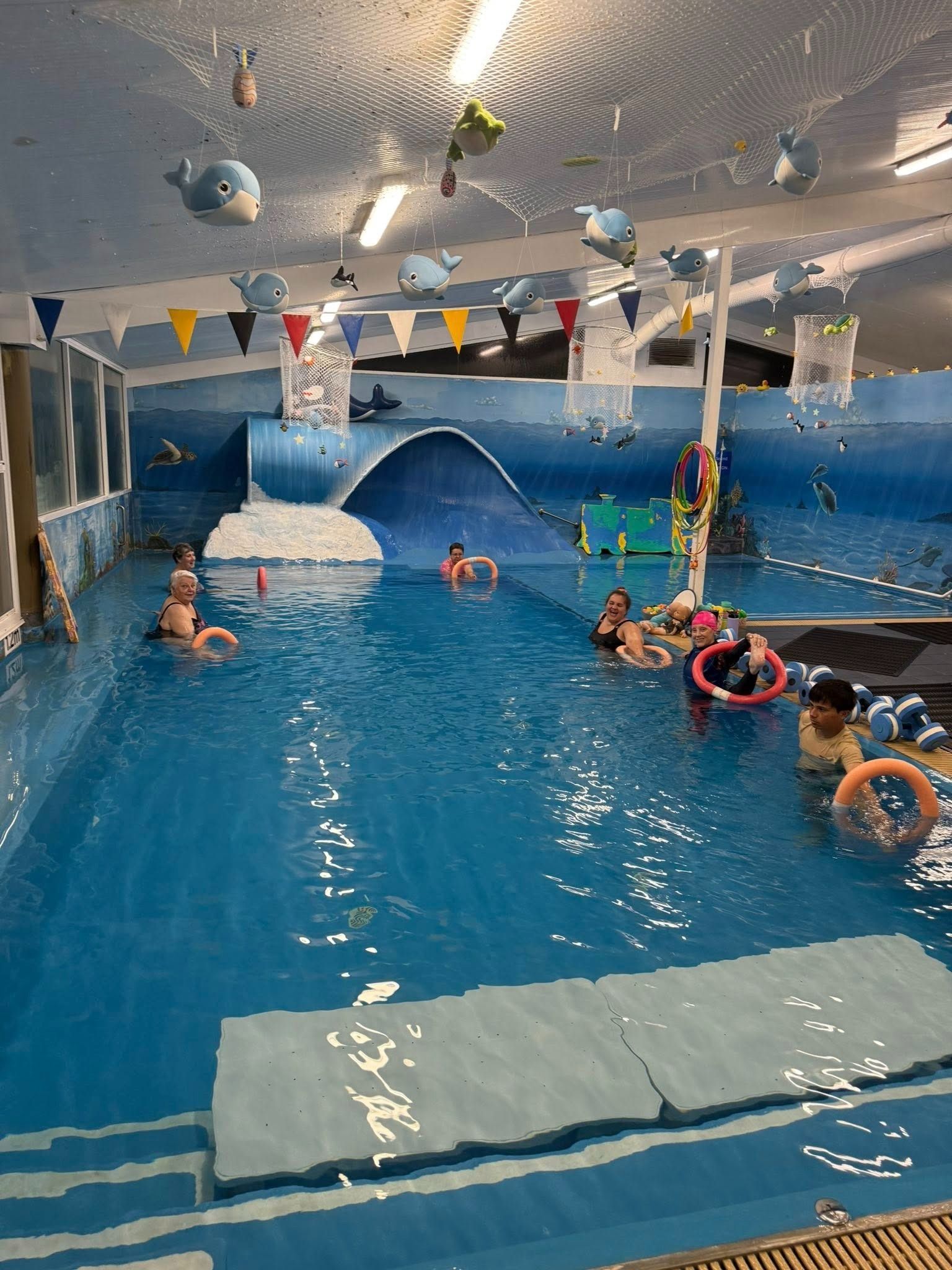
For adults returning to exercise, managing general joint discomfort or seeking alternatives to high-impact workouts, swimming can provide a comfortable way to stay active.
The resistance of water also allows swimmers to challenge their muscles without relying on heavy exercise equipment.
Swimming may appeal to:
- Adults seeking exercise with reduced joint impact.
- Older individuals wanting to maintain mobility.
- Beginners gradually improving their fitness.
- People combining swimming with other activities.
- Individuals seeking an alternative to gym workouts.
Although swimming is generally low impact, anyone recovering from surgery or managing significant physical limitations should seek medical advice before starting.
For many people, swimming's adjustable intensity makes it a practical activity that can accommodate changing fitness needs.
How Swimming Lessons Improve Technique and Endurance
Correct swimming technique helps participants move through the water efficiently, reducing unnecessary effort and making longer distances more manageable.
Breathing is particularly important. Beginners sometimes hold their breath or lift their heads excessively, which can make swimming more tiring.
Through structured instruction, swimmers learn controlled breathing, body positioning and coordinated movements.
For example, an adult who initially needs to rest after every pool length may gradually develop the technique and endurance to swim continuously.
Different strokes also provide opportunities to improve fitness. Freestyle develops rhythmic breathing, backstroke encourages balance and breaststroke introduces another movement pattern.
At our swim school in Coffs Harbour, we help participants build strong swimming foundations before progressing towards more advanced techniques.
With regular practice, swimmers can develop greater confidence, improve stroke efficiency and work towards their individual fitness goals.
Supporting Children's Long-Term Health and Fitness
Introducing children to swimming encourages positive attitudes towards physical activity from an early age.
While water safety remains a priority, swimming lessons also help children develop coordination, strength and confidence.
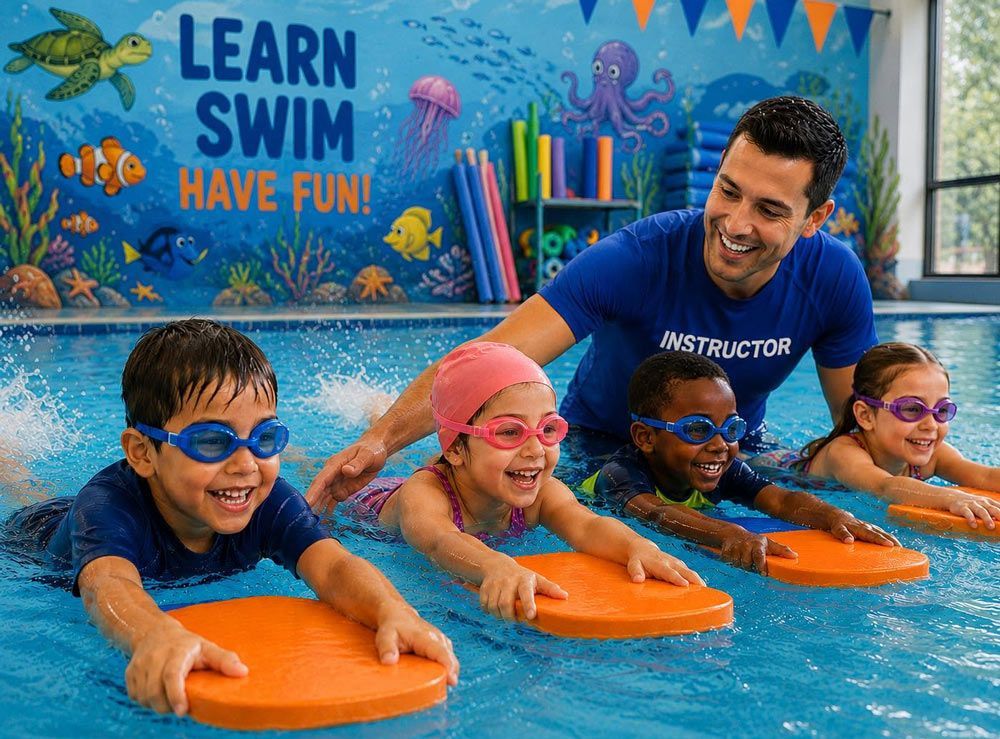
Younger children begin with basic water familiarisation, floating and movement activities. As their abilities improve, they progress towards independent swimming and more advanced strokes.
These experiences can help children associate exercise with enjoyment rather than obligation.
Swimming lessons also introduce valuable habits, including following routines, practising skills and working towards achievable goals.
Parents exploring Coffs Harbour swimming lessons can encourage regular physical activity while supporting their child's swimming development.
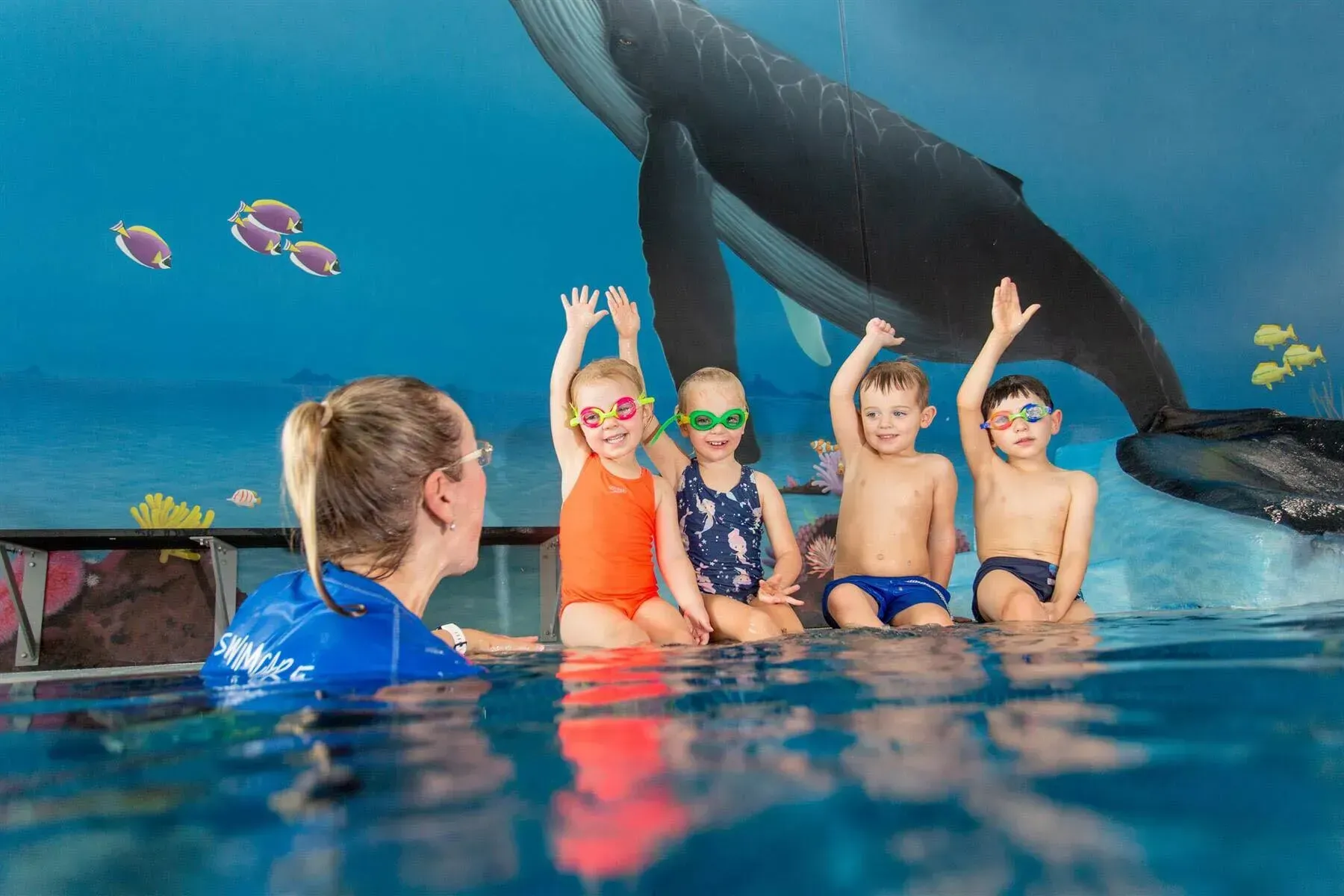
At SwimCare Swim School, our lessons focus on water confidence, safety and swimming technique, helping children develop essential skills.
As children become more capable swimmers, they may explore recreational swimming, school activities or squad training.
Developing swimming skills early can create opportunities to remain physically active throughout adulthood.
Swimming and Mental Wellbeing
Long-term fitness involves more than physical strength. Mental wellbeing, motivation and enjoyment also influence whether people maintain healthy routines.
Swimming provides an opportunity to focus on movement, breathing and coordination while taking time away from everyday responsibilities.
Regular physical activity can help improve mood and manage stress, while the repetitive nature of swimming may encourage relaxation.
For adults balancing work and family commitments, swimming offers dedicated time for exercise and personal wellbeing.
Children can also benefit from the confidence and sense of achievement associated with learning new skills.
Mastering a stroke, swimming independently or completing a longer distance can provide motivation to continue participating.
These positive experiences help make swimming a rewarding activity rather than another obligation.
Setting Realistic Swimming Fitness Goals
Setting achievable goals helps swimmers recognise progress and maintain motivation.
Beginners should focus on developing confidence and technique before attempting longer distances or faster swimming speeds.
For someone new to swimming, an initial goal might involve becoming comfortable underwater or coordinating breathing with basic movements.
More experienced swimmers might focus on improving stroke efficiency or completing additional lengths.
Consider these approaches when establishing swimming goals:
- Start with your current ability. Choose goals that reflect your experience and fitness.
- Prioritise technique. Efficient movements make endurance improvements easier.
- Progress gradually. Increase swimming distances at a manageable pace.
- Celebrate achievements. Recognise improvements in confidence and coordination.
- Review your goals. Adjust expectations as your abilities develop.
Progress varies between individuals, so maintaining realistic expectations helps keep swimming enjoyable.
Choosing a Swimming Program That Fits Your Lifestyle
Finding a suitable swimming program can make regular participation easier, particularly for families balancing busy schedules.
When searching for a swim school near me, consider factors such as class suitability, instructor experience and location.
Similarly, someone searching for a swim class near me should consider whether they need beginner instruction, technique development or advanced swimming opportunities.
At SwimCare Swim School, we offer swimming programs for different ages and abilities across our Boambee and Moonee locations.
Our lessons focus on water safety, confidence and skill development, helping swimmers establish foundations for ongoing participation.
Convenient locations and suitable class times can reduce barriers to attendance and make swimming easier to incorporate into everyday routines.
For anyone searching for swimming lessons near me, choosing a program that matches their experience and lifestyle is an important first step.
Making Swimming Part of Your Long-Term Fitness Routine
Swimming can remain valuable throughout different life stages because participants can adapt their activity to changing goals and abilities.
Children may begin by learning water safety skills, while teenagers can develop endurance through advanced swimming activities.
Adults might use swimming to improve general fitness, complement other exercise routines or enjoy low-impact movement.
The key is choosing an approach that feels achievable and rewarding.
Swimming lessons establish the confidence and technique needed to make independent swimming more enjoyable.
Ultimately, swimming supports long-term fitness by combining regular physical activity, progressive skill development and an enjoyable way to stay active.
Ready to start your swimming journey? At SwimCare Swim School, we offer swimming lessons in Coffs Harbour for children and adults. Contact our friendly team today to explore suitable classes and take the next step towards your fitness goals.
Frequently Asked Questions
How Often Should You Attend Swimming Lessons to Improve Fitness?
Regular attendance helps develop technique, confidence and consistent exercise habits. The ideal frequency depends on your experience, fitness goals and availability. Additional practice may help improve endurance as your skills develop.
Can Swimming Lessons Help Adults Who Have Never Exercised Regularly?
Yes. Swimming lessons provide a gradual introduction to physical activity. Beginners can focus on water confidence, breathing and basic movements before progressing towards longer distances.
Is Swimming Enough Exercise to Maintain Overall Fitness?
Swimming supports cardiovascular fitness and muscular endurance. However, combining swimming with strength training and weight-bearing activities can provide additional benefits, particularly for bone health.
How Long Does It Take to Build Swimming Endurance?
Swimming endurance develops at different rates depending on technique, fitness and practice frequency. Some swimmers notice improvements within several weeks, while others require longer. Consistent participation and gradual progression are important.
Can Swimming Lessons Help Improve Coordination?
Yes. Swimming requires coordinated movements involving your arms, legs and breathing. Learning different strokes develops body awareness, timing and movement control, which can contribute to improved overall coordination.